Interested in learning cupping therapy and building a professional career in alternative and traditional wellness? Here’s how to begin your journey towards becoming a trained cupping therapist in India — responsibly.
Are you interested in learning cupping therapy and building a professional career in the field of alternative and traditional wellness practices? Cupping therapy has attracted interest among students, healthcare professionals and wellness practitioners who want to understand traditional therapeutic techniques and develop practical skills through structured education.
However, becoming a competent cupping therapy practitioner requires more than simply learning how to place cups on the body. It involves understanding the fundamentals, studying different techniques, learning hygiene and safety protocols, developing practical skills and knowing the professional responsibilities associated with the practice.
If you are planning to enter this field, this guide will help you understand how to begin your journey towards becoming a trained cupping therapist in India.
1. Understand What Cupping Therapy Is
Cupping therapy is a traditional therapeutic practice in which specially designed cups are applied to the skin to create suction. Different approaches include:
🫙
Dry Cupping
Uses suction without making skin incisions.
🩸
Wet Cupping (Hijama)
A traditional method involving controlled superficial skin procedures in addition to suction, requiring appropriate professional qualifications, infection-control measures and clinical competence.
🔬
Other Cupping Techniques
Depending on the training programme, students may learn additional approaches and variations.
Before choosing a course, it is important to understand that different techniques require different levels of knowledge, training and safety precautions. A professional course should teach both the theoretical foundations and practical responsibilities involved in the techniques being taught.
2. Choose the Right Cupping Therapy Course
The first major step is selecting a suitable training programme. Many people begin learning through short workshops, online videos or informal demonstrations. Although these resources may introduce basic concepts, they should not be considered substitutes for structured professional education. Look for a course that includes:
- Introduction and fundamentals of cupping therapy.
- History and principles of different techniques.
- Basic anatomy and relevant physiology.
- Understanding indications, contraindications and precautions.
- Methods and advance techniques used in cupping Therapy
- Hygiene and infection prevention.
- Patient assessment and professional communication.
- Practical demonstrations and supervised learning.
- Recognition and management of possible adverse events.
- Professional ethics and documentation.
There are Institutes like ICA (International Cupping Association) and other government organization conduct government courses affiliated and approved from Ministry of skills, Skill India, NSDC and HSSC which gives an authentic approved certified course from Ministry.
Important: A course certificate confirms completion of the relevant training programme. It does not automatically confer a statutory licence, government qualification or independent legal authority to practise. Check the applicable eligibility and regulatory requirements before enrolling and before applying services.
📚
Structured education beats short workshops and online videos for building real competence
3. Check the Institute’s Credentials and Training Standards
Your choice of training institute can significantly influence the quality of your education. Before joining, consider the following:
🎓
A. Trainer Experience
Find out who will conduct the training. Check their educational background, relevant experience, teaching experience and practical knowledge.
📋
B. Course Curriculum
Ask for the complete syllabus. A well-organised programme should explain what you will learn, the duration, assessment process and practical components.
🖐️
C. Practical Exposure
Cupping therapy is a skill-based subject. Students should have opportunities to observe demonstrations, understand procedures and develop appropriate practical competencies under qualified supervision.
🧼
D. Hygiene and Safety
The institute should emphasise infection prevention, appropriate equipment handling, contraindications, patient safety and professional responsibilities.
🤝
E. Student Support
Consider whether the institute provides opportunities for continued education, learning resources, guidance and professional development.
The objective should be to choose an institution that prioritises knowledge, competence and responsible practice rather than simply issuing certificates.
4. Develop the Essential Skills of a Cupping Therapist
A professional cupping therapist needs a combination of theoretical knowledge, practical understanding and professional behaviour. Some important areas to develop include:
🧍
1. Knowledge of Anatomy
Understanding the basic structure of the human body helps students appreciate the importance of appropriate assessment and technique selection.
🫙
2. Understanding Different Techniques
Students should understand the principles, applications, limitations and precautions associated with the techniques included in their course.
🧼
3. Hygiene and Infection Prevention
Clean equipment, appropriate disinfection, hand hygiene, suitable protective equipment and safe waste disposal are essential topics in professional training.
💬
4. Patient Communication
A responsible practitioner should be able to explain the proposed procedure, discuss relevant precautions, obtain informed consent and respect patient privacy.
⚖️
5. Professional Judgement
Knowing when a procedure is unsuitable and when a person should be referred to an appropriately qualified healthcare professional is an important part of responsible practice.
5. Give Importance to Practical, Hands-On Training
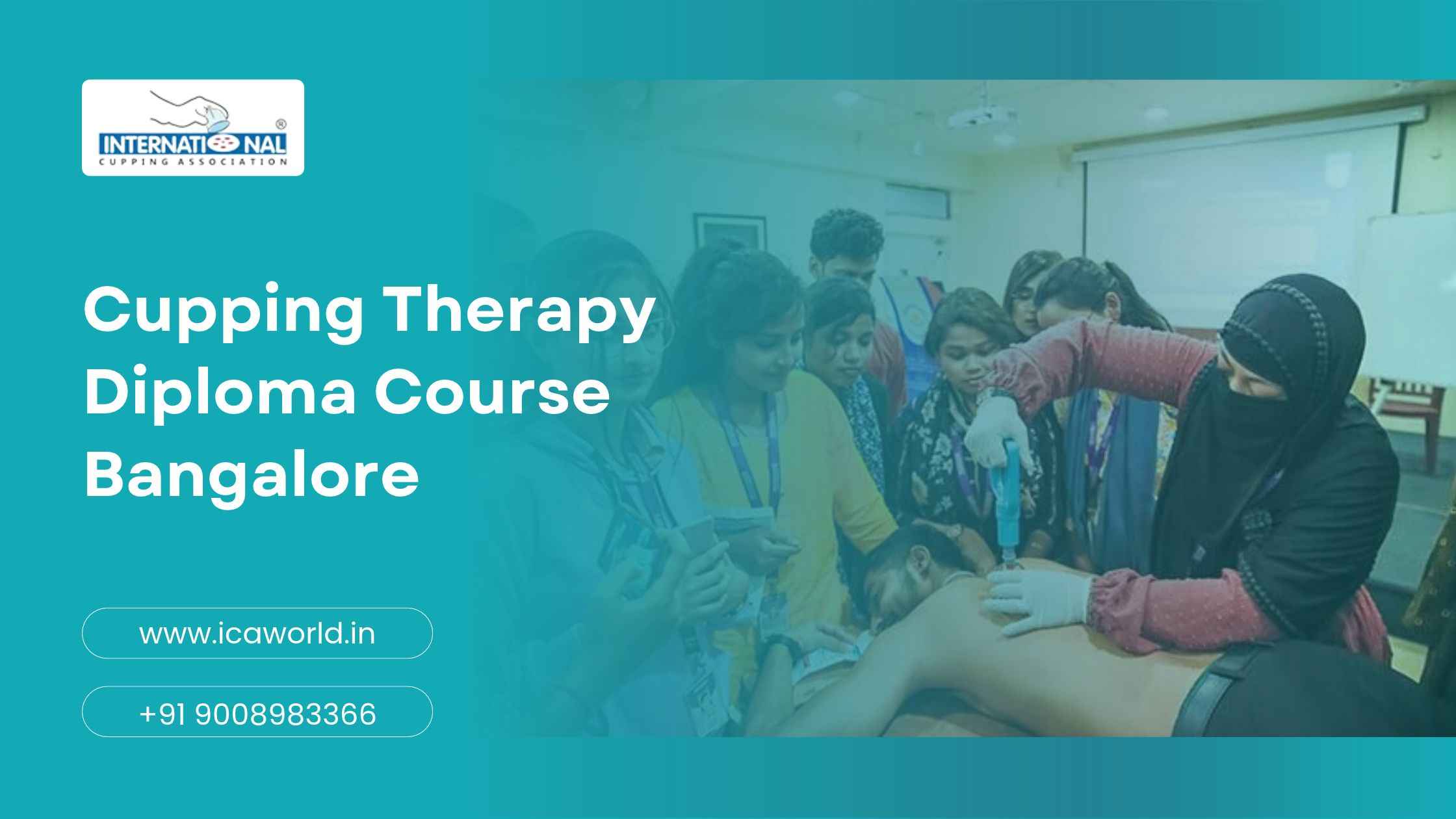
One of the biggest differences between simply studying cupping therapy and developing practical competence is supervised training. A good learning experience should combine classroom teaching with demonstrations and appropriate practical exercises. During training, students should have opportunities to:
- Understand and identify different cupping equipment.
- Observe demonstrations by experienced trainers.
- Learn appropriate equipment handling and hygiene.
- Understand the importance of assessment and precautions.
- Practise permitted techniques under supervision.
- Receive feedback and improve their practical competencies.
Practical exposure should always be appropriate to the student’s qualifications, training level and legal scope of practice.
Remember: watching a demonstration is not the same as developing a professional skill. Competence requires proper instruction, supervised practice and assessment.
6. Understand Certification and Professional Recognition
One of the most important things to understand before joining a cupping therapy course is the difference between a training certificate and a formally recognised qualification. These terms are not interchangeable. A certificate issued by an institute may confirm that a student has completed its particular training programme. However, it does not automatically establish government recognition, professional registration or a statutory licence.
In India, the National Commission for Allied and Healthcare Professions (NCAHP) Act, 2021 provides a regulatory framework for the allied and healthcare professions specified under the Act. Students should check the relevant professional category, qualification and applicable registration requirements rather than assume that every therapy course falls under the same framework.
Similarly, NCVET recognition of an awarding body is linked to its approved qualifications and defined scope. Students should verify the exact qualification and awarding body rather than relying only on general claims of recognition. Before enrolling, ask the institute:
- What certificate will I receive?
- Who issues the certificate?
- Is the specific qualification formally recognised?
- What assessment is involved?
- Does the certificate provide any professional registration rights?
- What additional qualifications or permissions might be required for professional practice?
Making these checks helps students make informed decisions.
7. Explore Career Development Opportunities
After completing suitable training, students may explore different professional development pathways, depending on their existing qualifications and applicable regulations. Possible directions include:
- Further education in cupping therapy.
- Developing practical knowledge through supervised experience.
- Continuing professional education.
- Working within an appropriately authorised healthcare or wellness setting, where eligible.
- Building complementary knowledge in relevant wellness disciplines.
- Exploring teaching or training opportunities after obtaining the necessary qualifications and experience.
A successful career is not built on a certificate alone. It requires continuous learning, responsible conduct, practical competence and a commitment to professional standards.
Students should avoid assuming that completing a short course automatically qualifies them to independently diagnose, treat or manage medical conditions.
8. Why Consider the International Cupping Association (ICA)?
If you are looking for structured learning and practical exposure in cupping therapy, the International Cupping Association (ICA) is an organisation to explore. ICA focuses on education, training, research and professional development in cupping therapy. Its learning approach emphasises:
Structured Educational Programmes
Students can explore different learning programmes according to their interests, educational background and eligibility.
Experienced Trainers
Learning from trainers with relevant subject knowledge and practical experience can help students understand the fundamentals and professional responsibilities of cupping therapy.
Practical, Hands-On Learning
Practical demonstrations and supervised activities help students connect theoretical concepts with appropriate professional skills.
Continued Education
Learning should not stop after completing a course. Continued education helps practitioners expand their knowledge and stay informed about developments in the field.
Student Support and Development
ICA also aims to provide educational resources, learning opportunities and a student community that encourages professional development.
For students interested in entering the field, exploring the available ICA programmes can be a useful first step towards understanding the different training pathways — including the Cupping Therapy Course in Bangalore, the Cupping Therapy Assistant Course and the Level 1 & 2 Cupping Therapy Workshop.
🖐️
Learn the science. Develop the skills. Build your professional journey.
9. Common Mistakes to Avoid When Choosing a Cupping Therapy Course
Before making your final decision, avoid these common mistakes:
💸
1. Choosing Only on Low Fee
Selecting a course only because it has a low fee.
📋
2. Skipping the Curriculum
Joining an institute without checking its curriculum.
🎓
3. Ignoring Trainer Background
Ignoring the trainer’s educational and professional background.
🧼
4. Overlooking Safety & Hygiene
Choosing a course without sufficient attention to safety and hygiene.
📜
5. Assuming Government Recognition
Assuming that an institute-issued certificate is automatically a government-recognised qualification.
💼
6. Expecting Guaranteed Income
Expecting guaranteed employment or income after completing a course.
📚
7. Neglecting Continued Education
Neglecting continued education after training.
Your education is an investment in knowledge and professional development. Choose carefully.
10. Frequently Asked Questions (FAQs)
Q1. How can I become a certified cupping therapist in India?
Start by identifying a suitable training programme, checking its eligibility requirements, reviewing the syllabus and selecting an institute that provides structured education and appropriate practical training. Understand the distinction between course certification and any statutory professional recognition.
Q2. Do I need a medical background to learn cupping therapy?
Eligibility depends on the particular programme and the techniques being taught. Some courses may accept beginners, while others may require relevant educational or professional qualifications. Always check the institute’s admission requirements and applicable professional regulations.
Q3. How long does it take to learn cupping therapy?
The duration varies according to the programme. Short workshops introduce selected techniques, while certificate and diploma programmes may offer more comprehensive theoretical and practical education.
Q4. Can I start my own cupping therapy clinic after completing a course?
Completing a course does not automatically provide permission to establish or operate a clinic. This depends on your existing qualifications, applicable professional regulations, local requirements and the services you intend to offer.
Q5. Is cupping therapy a good career option in India?
It may be an interesting field for individuals interested in traditional and complementary wellness practices. However, career opportunities depend on qualifications, professional eligibility, practical competence, local requirements and the ability to develop professionally.
Q6. What should a good cupping therapy course include?
A good course should cover the fundamentals and principles of cupping, basic anatomy and relevant physiology, indications, contraindications and precautions, the techniques being taught, hygiene and infection prevention, patient assessment and communication, practical demonstrations and supervised learning, management of possible adverse events, and professional ethics and documentation.
Q7. Why is practical, hands-on training important in cupping therapy?
Cupping therapy is a skill-based subject, and watching a demonstration is not the same as developing a professional skill. Competence requires proper instruction, supervised practice, feedback and assessment, always appropriate to the student’s qualifications, training level and legal scope of practice.
Q8. Is a cupping therapy certificate the same as a government qualification or licence?
No, these are not interchangeable. A certificate issued by an institute confirms completion of that institute’s training programme. It does not automatically establish government recognition, professional registration or a statutory licence, so students should verify the exact qualification, the awarding body and any applicable registration requirements before enrolling.
Q9. Can I learn cupping therapy only through online videos or short workshops?
Online videos and short workshops may introduce basic concepts, but they should not be considered substitutes for structured professional education. A proper programme combines theory with demonstrations, supervised practical learning, hygiene and safety training, and assessment.
Q10. What should I ask an institute before enrolling in a cupping therapy course?
Ask what certificate you will receive and who issues it, whether the specific qualification is formally recognised, what assessment is involved, whether the certificate provides any professional registration rights, and what additional qualifications or permissions may be required for professional practice. Also ask for the complete syllabus and about the trainers’ background and the practical components.
11. Take Your First Step Towards Learning Cupping Therapy with ICA
A successful journey in cupping therapy begins with the right education. Whether you are a beginner exploring a new field or an existing wellness professional looking to expand your knowledge, choosing structured education and developing practical competencies are important first steps.
The International Cupping Association (ICA) encourages students to focus on knowledge, practical learning, professional responsibility and continued education.
Learn the science. Develop the skills. Build your professional journey.
Start Your Cupping Therapy Learning Journey with ICA
Explore available training programmes and take the first step towards professional education in cupping therapy.
International Cupping Association (ICA)
🌐 Website: www.icaworld.in
📞 Contact: 9008983366
Learn. Practise. Progress.