
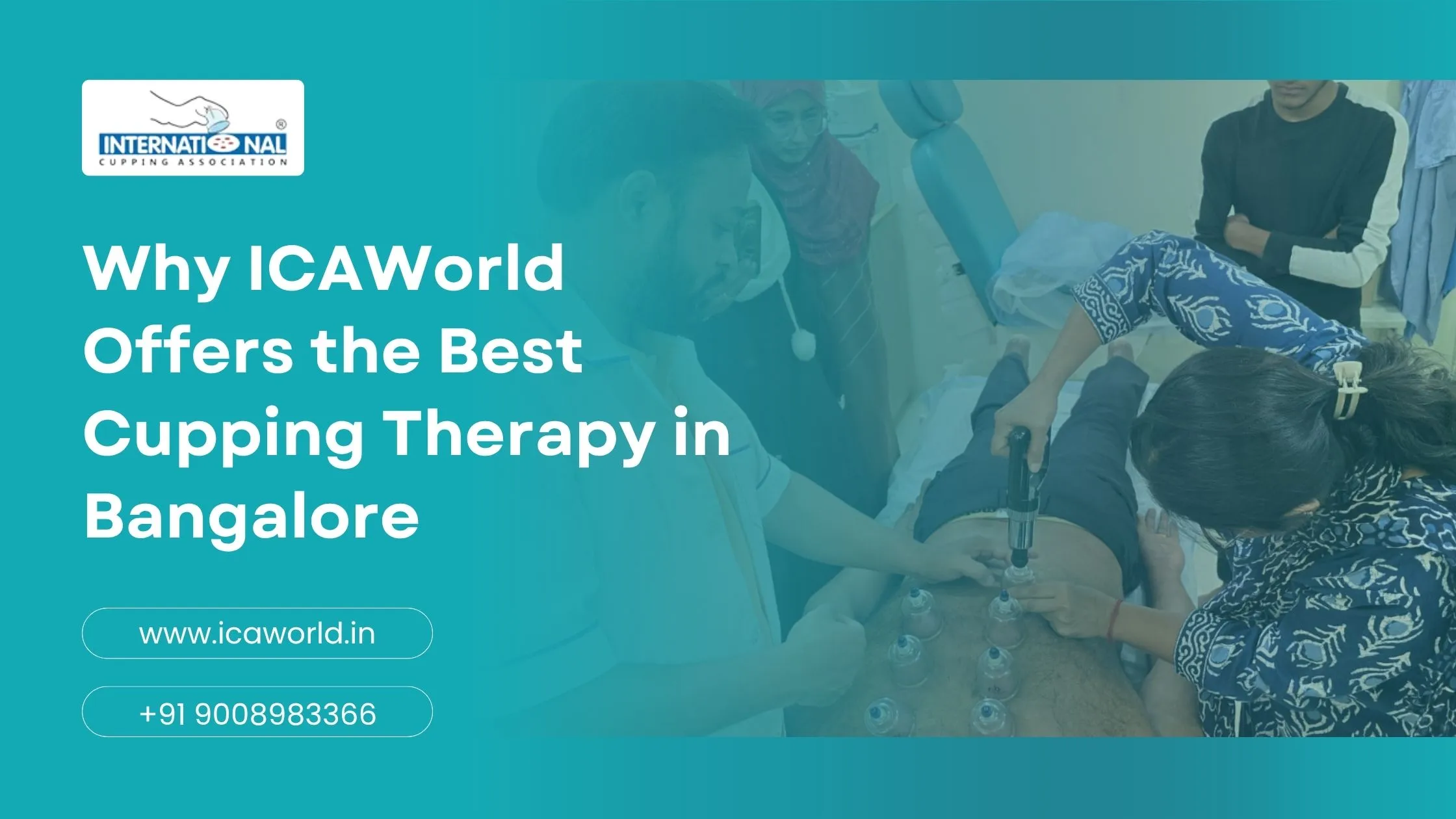
As more people embrace natural and preventive healthcare, cupping therapy in Bangalore has become one of the most sought-after complementary treatments for pain relief, muscle recovery, stress management, and overall wellness. From IT professionals dealing with long hours at a desk to athletes recovering from intense training, people across Bangalore are exploring cupping therapy as part of a healthier lifestyle.
However, choosing the best cupping therapy in Bangalore is about much more than finding the nearest clinic. The quality of treatment depends on the therapist’s expertise, clinical assessment, hygiene standards, patient safety, and personalized care. These factors play a crucial role in ensuring that every session is both safe and effective.
ICA World has earned the trust of patients and healthcare professionals by combining traditional healing practices with modern clinical protocols. With experienced practitioners, internationally recognized training standards, and a patient-first approach, ICA World offers a professional environment where every treatment is guided by safety, knowledge, and ethical healthcare practices.
In this comprehensive guide, you’ll learn what makes a cupping therapy clinic truly reliable, how cupping therapy works, its benefits, common conditions it may help manage, and why many people choose ICA World when searching for the best cupping therapy clinic in Bangalore.
What Makes a Cupping Therapy Clinic the Best?
Searching online for the best cupping therapy in Bangalore will show dozens of clinics claiming to provide excellent treatment. While reviews and ratings can be helpful, the most important factors go far beyond popularity. A truly professional clinic focuses on patient safety, evidence-informed care, and individualized treatment rather than making unrealistic promises.
Here are the qualities that distinguish a trusted cupping therapy clinic.
Qualified and Certified Practitioners
The effectiveness of cupping therapy depends largely on the knowledge and experience of the practitioner. A trained therapist understands anatomy, physiology, pressure points, contraindications, and appropriate treatment techniques for different health conditions.
Professional practitioners also know when cupping therapy is suitable and when a patient should be referred for additional medical evaluation. This level of clinical judgment helps ensure safe and responsible care.
Strict Hygiene and Safety Standards
Because cupping therapy involves direct contact with the skin, hygiene is one of the most important considerations. Reputable clinics maintain a clean treatment environment and follow strict infection prevention protocols throughout every session.
Professional standards typically include:
- Sterile treatment rooms
- Disposable or properly sterilized cups
- Single-use surgical blades for wet cupping
- Medical-grade disinfectants
- Safe disposal of clinical waste
- Proper hand hygiene and protective equipment
Maintaining these standards significantly reduces the risk of infection and creates a safer experience for every patient.
Personalized Treatment Plans
Every individual has unique health concerns, lifestyle habits, and treatment goals. A quality cupping therapy clinic avoids using the same approach for every patient and instead develops a personalized treatment plan based on a detailed consultation.
Factors considered during the assessment may include:
- Medical history
- Current symptoms
- Lifestyle and occupation
- Physical activity level
- Previous injuries
- Existing medical conditions
- Wellness objectives
Personalized care helps ensure that treatment addresses the patient’s specific needs rather than simply treating symptoms.
Patient Education and Transparency
A trusted clinic believes that informed patients make better healthcare decisions. Before beginning treatment, practitioners should clearly explain how cupping therapy works, what to expect during the session, possible temporary side effects, and recommended aftercare.
Transparent communication builds confidence and helps patients feel comfortable throughout the treatment process.
Evidence-Informed Clinical Practice
Although cupping therapy has been practiced for centuries, modern healthcare increasingly combines traditional healing methods with scientific understanding. Leading clinics integrate clinical knowledge, current research, and practical experience to deliver responsible patient care.
Rather than presenting cupping therapy as a cure for every condition, ethical practitioners explain how it can complement conventional medical treatment and support the body’s natural healing processes.
Understanding Cupping Therapy
Cupping therapy is one of the oldest therapeutic techniques used to support physical recovery and overall well-being. Today, it is practiced in many countries and is increasingly integrated into complementary healthcare settings alongside physiotherapy, sports rehabilitation, acupuncture, and wellness programs.
The therapy involves placing specially designed cups on selected areas of the body to create gentle suction. This suction stimulates local blood circulation, reduces muscle tension, and encourages the body’s natural healing response.
When performed by trained professionals using modern clinical protocols, cupping therapy offers a safe and structured approach to complementary healthcare.
Contact ICAWorld for consultation
Types of Cupping Therapy
Different cupping techniques are used depending on the patient’s condition and treatment objectives. Understanding these methods helps patients make informed decisions before starting therapy.
Dry Cupping Therapy
Dry cupping involves placing cups on the skin to create controlled suction without making any incisions. The negative pressure gently lifts the underlying tissues, helping improve local circulation and relieve muscular tightness.
Dry cupping is commonly used for:
- Muscle stiffness
- Neck pain
- Shoulder tension
- Sports recovery
- Stress-related muscle tightness
- General wellness
Many individuals choose dry cupping because it is non-invasive and suitable for a wide range of musculoskeletal concerns.
Wet Cupping Therapy (Hijama)
Wet cupping, commonly known as Hijama, includes an additional step after the initial suction. Tiny superficial incisions are carefully made using sterile, single-use instruments, followed by a second round of suction that removes a small amount of blood and tissue fluid.
The procedure is performed under strict hygiene protocols by trained professionals and is often selected for patients seeking a more comprehensive therapeutic approach.
Wet cupping should always be performed in a licensed clinical setting where patient safety and infection control are prioritized.
Also Read About Hijama Therapy in Bangalore
Why More People in Bangalore Are Choosing Cupping Therapy
Bangalore has become one of India’s leading cities for preventive healthcare and wellness. As work patterns, lifestyle habits, and physical demands continue to evolve, more people are seeking complementary therapies that support long-term health rather than simply managing symptoms.
Cupping therapy has gained popularity because it addresses many of the challenges associated with modern urban living.
Growing Workplace Stress
Bangalore is home to thousands of professionals working in technology, finance, healthcare, and corporate sectors. Long working hours, continuous computer use, and limited physical activity often contribute to neck pain, shoulder stiffness, back pain, and mental fatigue.
Many working professionals choose cupping therapy to help reduce muscular tension and improve overall well-being as part of a balanced lifestyle.
Increased Interest in Natural Healthcare
People are becoming more proactive about maintaining their health before problems become severe. Instead of waiting until pain affects daily life, many individuals are exploring complementary therapies that focus on prevention, recovery, and overall wellness.
Cupping therapy aligns well with this growing interest in holistic healthcare by supporting circulation, relaxation, and recovery.
Rising Popularity Among Athletes and Fitness Enthusiasts
Professional athletes have played a significant role in increasing awareness of cupping therapy worldwide. In Bangalore, runners, cyclists, gym enthusiasts, and sports professionals often include cupping sessions in their recovery routines to help manage muscle soreness and maintain physical performance.
When combined with proper exercise, nutrition, and physiotherapy, cupping therapy can become part of a comprehensive recovery strategy.
Better Awareness Through Professional Healthcare Education
One of the reasons cupping therapy is gaining greater acceptance is the availability of structured education and professional training. As healthcare practitioners receive formal instruction in anatomy, physiology, hygiene, and evidence-informed practice, patient confidence in the therapy continues to grow.
Organizations like ICA World contribute to this progress by promoting standardized training and responsible clinical practice.
Health Conditions That May Benefit from Professional Cupping Therapy
Although individual results vary, cupping therapy is commonly used as a complementary approach for managing a variety of musculoskeletal and wellness-related concerns. After a detailed consultation, practitioners develop treatment plans based on each patient’s condition and overall health.
Common conditions include:
- Neck and Shoulder Pain: Prolonged sitting, poor posture, and repetitive computer work often lead to stiffness in the neck and shoulders. Cupping therapy may help reduce muscle tightness and improve mobility in these areas.
- Lower Back Pain: Lower back pain is one of the most common reasons patients seek cupping therapy. Improved local circulation and muscle relaxation may help support recovery alongside other recommended treatments.
- Sports Injuries and Muscle Recovery: Athletes and physically active individuals frequently use cupping therapy to support post-exercise recovery, reduce muscle soreness, and maintain flexibility between training sessions.
- Migraine and Tension Headaches: Muscular tension around the neck, shoulders, and upper back can contribute to recurring headaches. Cupping therapy may help relieve this tension as part of a comprehensive care plan.
- Joint Stiffness: People experiencing stiffness in the knees, shoulders, or other joints often explore cupping therapy to improve comfort and mobility when combined with appropriate rehabilitation exercises.
- Stress and Fatigue: Physical tension and mental stress often go hand in hand. Many patients report feeling relaxed and refreshed after professionally administered cupping sessions, making it a valuable component of a holistic wellness routine.
Benefits of Professional Cupping Therapy
When performed by experienced practitioners, cupping therapy offers a range of potential benefits that extend beyond temporary pain relief. Its growing popularity reflects the increasing demand for therapies that support overall health while complementing conventional medical care.
Some of the key benefits include:
- Supports healthy blood circulation in targeted areas.
- Helps reduce muscular tension and stiffness.
- Assists with post-exercise recovery and sports rehabilitation.
- Encourages relaxation and stress reduction.
- May improve flexibility and joint mobility.
- Supports the body’s natural healing response.
- Complements physiotherapy, Ayurveda, and other wellness treatments.
- Provides personalized care based on individual health needs.
While the experience differs from person to person, the greatest outcomes are often achieved when cupping therapy is combined with healthy lifestyle habits, regular physical activity, balanced nutrition, and appropriate medical guidance.
Also Read About Cupping Therapy Success Stories from ICA World Students