
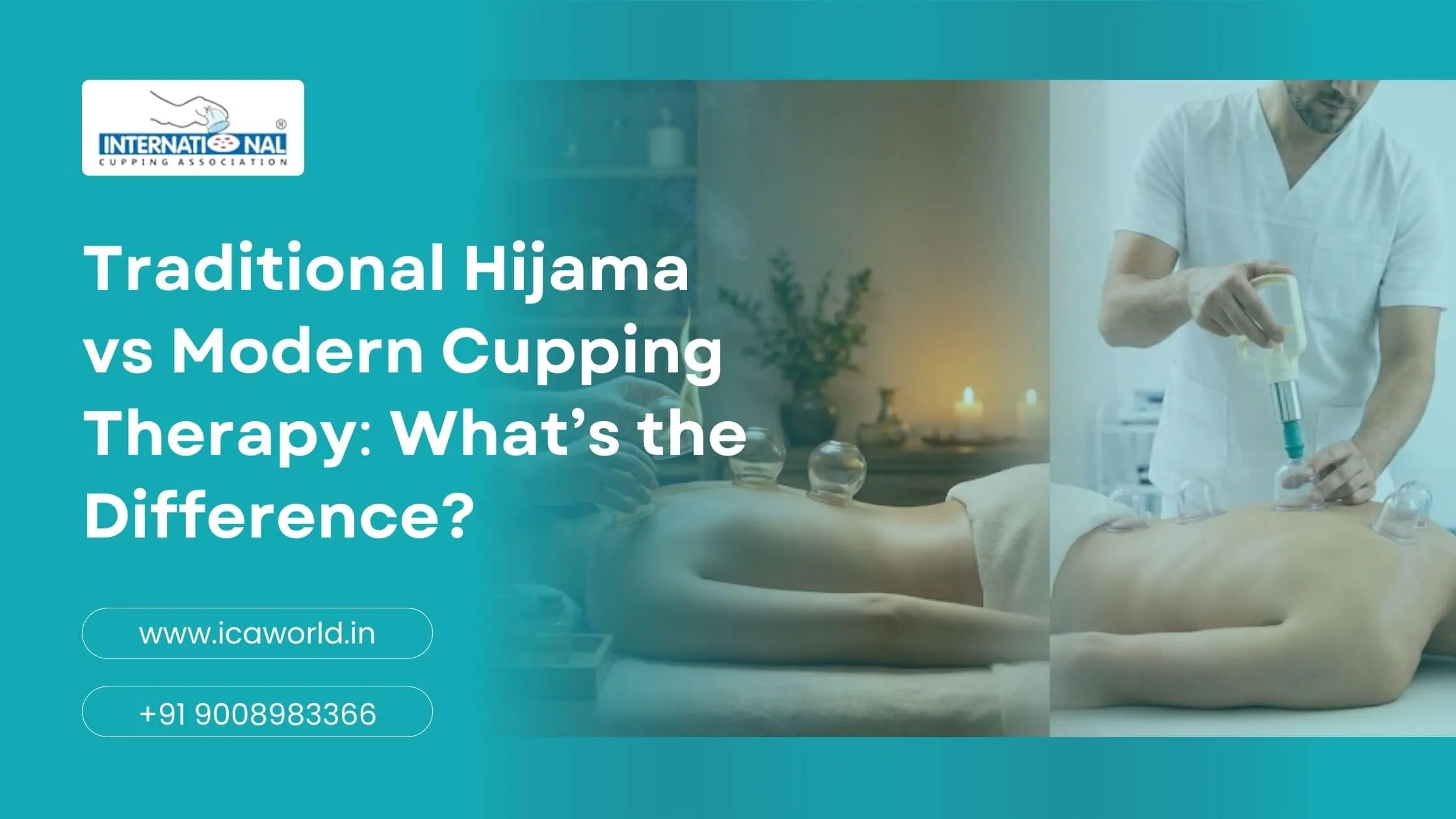
Now, without a sound, cupping therapy seems to have slipped out of ancient healing rooms into the mainstream world of modern wellness clinics, sports rehab centers and holistic health studios. If you’ve ever looked up for cupping therapy in Bangalore, or a clinic providing cupping therapy treatment in Bangalore then Traditional Hijama and Modern Cupping Therapy are the phrases that keep popping up again!!
They’re frequently used interchangeably — but they are not the same thing.
So, as somebody who has closely collaborated with therapists, trainers and wellness practitioners across India, one thing I can say for sure: there’s more to Hijama than simply being history in the face of modern day cupping. It is about safety, results, expectations and what you get out of the treatment for your body and your goals.
This manual is here to lay it all out — simply, functionally, plainly and without the bullshit. Finally, you’ll be given the lowdown on what each therapy entails, who is best suited to which treatment and how you can find great Cupping therapy in Bangalore (or wherever else you are in India).
What is Cupping Therapy in a Nutshell?
Before we get into comparisons, let’s establish the basics.
Cupping therapy is an alternative therapeutic technique that uses suction cups on your skin to help increase blood flow, reduce inflammation and activate the body’s natural healing process. It’s an activity that blacksmiths have been engaging in for centuries over the hearth, shielded from wind and rain — spreading across China and Persia, even to parts of Europe.
Cupping therapy in India is now a combination of traditional knowledge along with the modern clinical methods, and it has brought cupping therapy within reach of everyone for pain management, stress & relaxation and strong recovery treatment, preventive healthcare.
But certainly not all cupping is created equal.
What Is Traditional Hijama Therapy?
Hijama, also known as wet cupping, originated and is described in Middle Eastern, Islamic and Unani medicine. It’s not only a therapeutic, but also cultural practice and is usually done on certain days with specific pressure points in the body.
How Hijama Works
Hijama generally takes the following three steps:
-
Initial suction
Cups are positioned on the skin in order to bring blood to the surface.
-
Micro-incisions
The skin is incised by small, superficial cuts.
-
Second suction
The cups are then reapplied to suck out a small quantity of blood.
It’s thought that this practice drains stagnant or “impure” blood to help the body detox and reset.
Common Reasons People Choose Hijama
- Chronic headaches and migraines
- Hormonal imbalances
- Digestive issues
- Fatigue and low energy
- Preventive health and detoxification
We also have enquiries for ‘Hijama’ (the Arabic word) when people are in search of ‘wet cupping therapy’ since it holds traditional and religious relevance with respect to India.
What Is Modern Cupping Therapy?
Contemporary cupping therapy is an outgrowth of traditional cupping, modified to meet the standards of contemporary medical examinations, physiotherapies and wellness.
Unlike Hijama, in modern cupping there is more ‘dry cupping’. This refers to the process as not involving incisions and no bloodletting.
How Modern Cupping Works
- Cup(s) silicone, plastic or glass is applied to the skin
- Suction can be applied by hand or with a pump
- Cups can remain in place or moved along the muscles (dynamic cupping)
This technique centers on enhancing the blood circulation, releasing the fascia and promoting muscle recovery.
In cities like Bangalore, contemporary cupping’ is practiced; and is a common treatment in sports clinics, physiotherapy centers as well as in wellness studios which provide latest therapy of advanced cupping in Bangalore.
Popular Uses of Contemporary Cupping
- Back, neck, and shoulder pain
- Sports injuries and muscle tightness
- Post-workout recovery
- Stress-related tension
- Desk-job posture issues
Conventional Hijama vs. Contemporary Cupping: The Key Differences
Let’s break it down clearly.
-
Wet vs Dry Technique
- Hijama: Cupping (wet) and controlled bleeding
- Current cupping: Dry cupping with no cuts or blood
If the bleeding makes you uneasy (or you prefer not to be cut), modern cupping is typically better suited.
-
Tools and Equipment
- Hijama: It’s the technique that traditionally uses glass cup and manually suck against it.
- Contemporary cupping: Employs plastic or medical-grade silicone cups and has controlled suction cup therapy.
That’s actually part of the reason that cupping in modern times seems to be a more standardized practice in clinical environments where you can get treatment for cupping therapy in Bangalore.
-
Purpose and Philosophy
- Cupping Therapy: ‘The Detox Massage’ Covers detox and systemic harmony in detail.
- Contemporary cupping: Improves musculoskeletal complaints, mobility and recovery
Neither is “better,” they just accomplish different objectives.
Safety and Regulation
Modern cupping can be combined with physiotherapy, chiropractic and rehabilitation programs. When performed correctly, hijama is safe — but it depends on rigorous hygiene and competent practitioners.
If you want the best cupping treatment in Bangalore, make sure to verify practitioner credentials when it comes to Hijama.
Benefits of Traditional Hijama Therapy
There is a reason Hijama has survived the centuries. When done right, it can provide:
- Improved blood circulation
- Reduced inflammation
- Relief from chronic pain conditions
- Support for immune health
- Deep relaxation and mental clarity
A lot of people use Hijama for long term health plans, not necessarily emergency pain relief.
Benefits of Modern Cupping Therapy
Cupping works its modern heist when it comes to functional, lifestyle-related complaints:
- Faster muscle recovery
- Reduced stiffness and tight fascia
- Improved joint mobility
- Better posture support
- Stress and tension relief
This is what makes it very popular with sports person, IT professional and people interested in cup therapy in Bangalore.
Which One Should You Choose?
Here is an easy way to choose:
Choose Traditional Hijama if:
- You’re looking for detox-focused therapy
- You value traditional healing systems
- You’re managing chronic internal conditions
Choose Modern Cupping Therapy if:
- You’re after pain relief, but no blood
- You’re recovering from a workout or an injury
- You are more of an evidence based, clinical type of guy
Many modern health centers now provide the two, for a personalized treatment plan.
Why Bangalore Is a Hub for Cupping Therapy and Its Celebrities Swell of the Conversation around Health feature.
Integrative healthcare in Bangalore has become a hub. From technology workers grappling with inactivity to athletes testing physical limits, there has been an explosion of interest in treatments.
This has led to:
- Cupping therapy treatment in Bangalore at high quality
- Certified training programs
- Growing interest in professional education
If you are researching courses on cupping therapy in Bengaluru, Gleneagles Global Hospitals provides everything from short certificates to professional courses.
Study Cupping Therapy: Course, Skills and Scope of Career
Increased awareness has also led to more demand for qualified healers.
What a Course on Cupping Therapy Will Cover
- History and theory of cupping
- Anatomy and contraindications
- Dry cupping techniques
- Hijama fundamentals (in some programs)
- Hygiene and client safety
If you’re a therapist or health and wellness aficionado, taking part in a cupping therapy class could open career opportunities for you.
About Course Fees
There are large number of variables that affect such as cupping therapy cost in Bangalore and the list of factors may change from one to another person:
- Course duration
- Certification level
- Inclusion of Hijama training
- Practical exposure
Always go for schools that focus on practical training and ethical working.
The CUPPING MISTAKE Everyone Makes
Avoid these pitfalls:
- Choosing untrained practitioners
- Ignoring aftercare advice
- Overdoing sessions too frequently
- Not disclosing medical conditions
The quality of results is largely dependent on correct evaluation and technique.
Traditional Hijama vs Modern Cupping Therapy FAQs
Q: Is cupping therapy painful?
Today’s cupping does not hurt, though it still might feel tight. Hijama is associated with small incisions that might hurt a little.
Q: How many sessions are needed?
1-3 sessions may work for pain reduction. Some chronic diseases need continuous treatment.
Q: Is cupping therapy safe?
Yes, as long as it is done by professionals who are trained, and the hygiene is a must.
Q: Is it possible to practice cupping therapy regularly?
More contemporary cupping can be performed more frequently. The hijama therapy may be repeated as space according to individual requirements.
Q: What are the best things to look for best cupping therapy in Bangalore?
Review the practitioner’s qualification, clinic cleanliness, consultation method and client feedback.
Q: Are there side effects?
temporary marks, minimal pain or tiredness) – these generally go away within a few days.
Q: Is cupping therapy good for everyone?
Not always. Pregnant women, anyone with a bleeding disorder or certain other skin conditions should consult a professional beforehand.
Q: Is it possible to learn cupping therapy through a professional course?
Absolutely. There are several institutions that provide professional cupping therapy course in Bangalore.
Final Thoughts: Choose What’s Best for Your Health
Now, traditional Hijama and modern cupping therapy are not rivals — they’re complementary instruments from different times addressing distinct needs.
If you are interested in learning about cupping therapy in Bangalore or looking for a cupping therapy treatment in Bangalore, alignment is the real key:
- Your health goals
- Your comfort level
- Your practitioner’s expertise
Practiced properly, cupping therapy can be a powerful asset to your well-being, a discipline with roots in antiquity, polished by science and increasingly embraced throughout India.
If you’re eager to try it or learn it professionally, do what I did and begin with a consultation, ask the right questions and value quality over shortcuts. Your body will be grateful.